 INTRODUCTION
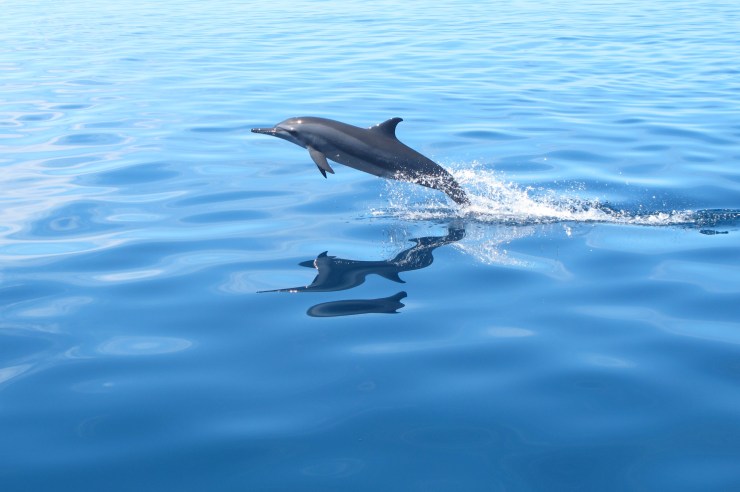
Common Name: Spinner dolphin
Name meaning :longirostris, derived from the Latin longus, which
means "long", and rostrum which means “snout”.
Special Name for Babies: Calf or pup
Sientific Name:Stenella longirostris
INTRODUCTION
Common Name: Spinner dolphin
Name meaning :longirostris, derived from the Latin longus, which
means "long", and rostrum which means “snout”.
Special Name for Babies: Calf or pup
Sientific Name:Stenella longirostris
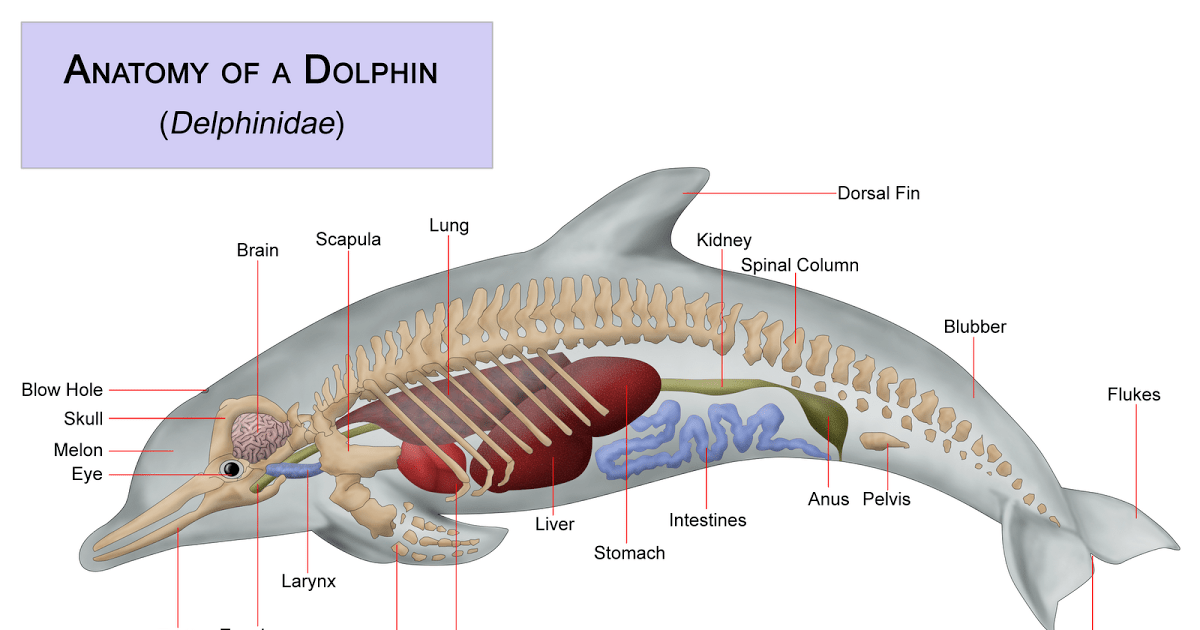 ANATOMY:have a "fusiform" body— large in the middle, tapered at the ends
— tailored for quick swimming. The head the melon, a round organ
The fundamental coloration pattern is colorings of gray with a
light underside and an awesome darkish cape on the back. Markings are
often combined with traces and patches of one of a kind hue and
contrast.
ANATOMY:have a "fusiform" body— large in the middle, tapered at the ends
— tailored for quick swimming. The head the melon, a round organ
The fundamental coloration pattern is colorings of gray with a
light underside and an awesome darkish cape on the back. Markings are
often combined with traces and patches of one of a kind hue and
contrast.
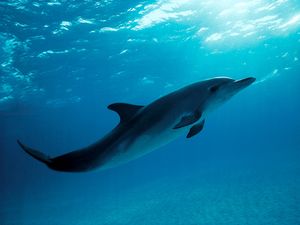 Locomotion:Before considerable lookup it was once concept that
the sheer speed of dolphins was once entirely due to their
notable power. Research has now observed that their body shape
has a outstanding deal to do with there remarkable speed.
The important power in the back of their swimming comes from vertical oscillations of the tail and flukes. Most species are capable of sustained swimming speeds of up to 18.6 mph and they bounce at this high speeds touring 30 ft or more.
The muscles of a dolphin are capable of producing strength at a
price at least seven instances larger than that of different types
of mammalian muscle. The traits of the caudal fin of the dolphin
enable for the prevention of turbulence and the go with the flow of
water past the body.
Locomotion:Before considerable lookup it was once concept that
the sheer speed of dolphins was once entirely due to their
notable power. Research has now observed that their body shape
has a outstanding deal to do with there remarkable speed.
The important power in the back of their swimming comes from vertical oscillations of the tail and flukes. Most species are capable of sustained swimming speeds of up to 18.6 mph and they bounce at this high speeds touring 30 ft or more.
The muscles of a dolphin are capable of producing strength at a
price at least seven instances larger than that of different types
of mammalian muscle. The traits of the caudal fin of the dolphin
enable for the prevention of turbulence and the go with the flow of
water past the body.
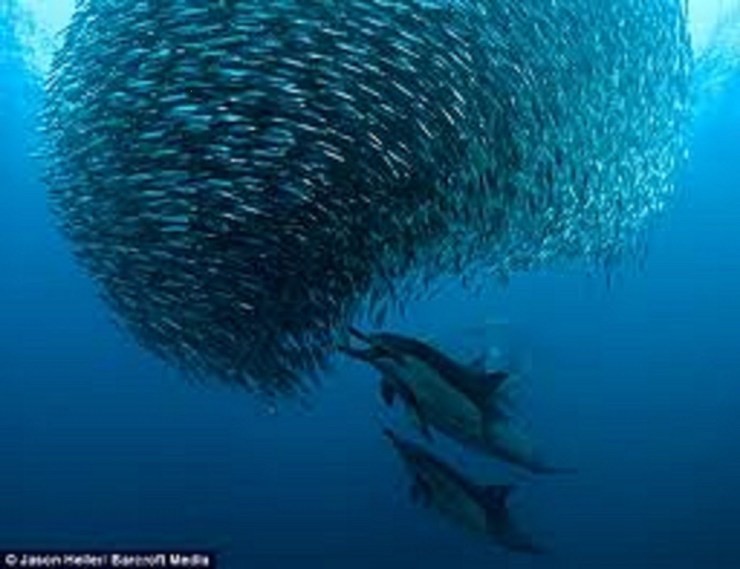 Diet:Spinner dolphins are carnivores. They eat fish and squid.
At night, spinner dolphins travel to deeper water to eat.
In the morning, they move back to shallow water to rest, play,
and watch for predators such as sharks.
Diet:Spinner dolphins are carnivores. They eat fish and squid.
At night, spinner dolphins travel to deeper water to eat.
In the morning, they move back to shallow water to rest, play,
and watch for predators such as sharks.

Habitat:Spinner dolphins live in warm ocean waters around the world.
There are different populations, including one near Thailand,
along the Pacific Ocean coast of Central America, and around the
Hawaiian Islands. The Hawaii population tends to spend more time
near the shore than other spinner dolphins and are more social with
people and boats.
 Adaptation:
Dolphins, like other marine mammals, have a slower heart rate while diving.During a dive, blood is shunted away from tissues tolerant of low oxygen levels toward the heart and brain, which require a constant supply of oxygen.
Certain protein molecules — hemoglobin and myoglobin — store oxygen in body tissues.
Hemoglobin occurs in red blood cells. Long-diving mammals have higher blood volumes (as a percent of body weight) than do shallower-diving mammals.
Myoglobin occurs in muscle tissue. The muscle of whales has a higher myoglobin concentration than the muscle of land mammals.

Life cycle:
only fertile for a short period
produce offspring every 1 1/2 – 3 years.
mating occurs during the spring months.
The gestation period of a dolphin lasts between 10 and 17 months.
During birth, the adult females of the pod may surround the pregnant dolphin to protect the mother and calf.
The infant dolphin delivered tail first
few minutes of its birth, the calf is able to swim and breathe on its own
the mother nurses the calf for 6 months to 2 years
calves are also able to eat crustaceans and fish beginning around the age of six months.
remains with its mother for an additional three to eight years until it reaches puberty.
Behaviors:
Spinner dolphins travel in groups called schools
Spinner dolphins don’t mind traveling and feeding with other species, including humpback whales, tunas, and other dolphins.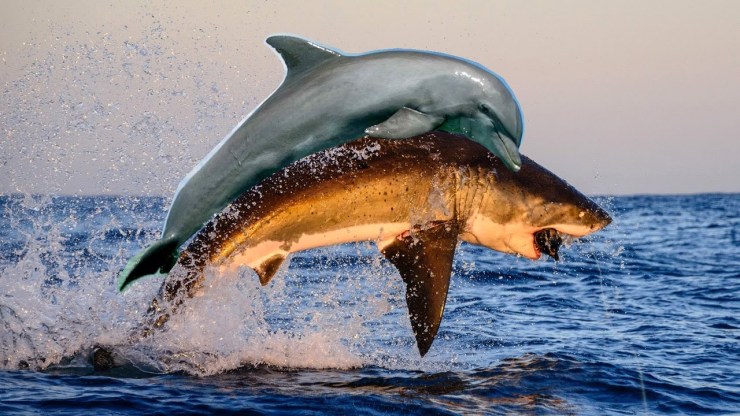
Defense:
These groups make sharks, the only predator that dolphins have to face, to avoid approaching the pod.
The primary purpose of pods, composed of about 12 dolphins is the protection of the members.
The best defense mechanism that dolphins have is their social organization and the strong bonds between them.
When threatened or attacked, dolphins use their speed and agility hit predators.
Enemies:
Orcas feed on a wide variety of fish, mollusks, and crustaceans, but if they find a dolphin, they do not hesitate to grab it and feed on it.
Usually we hear that sharks are the mortal enemies of dolphins, but in reality, this is only because of their feeding instinct and not a particular “hate” or antagonism towards dolphins.
Something Special

| Kingdom: Animalia Phylum: Chordata Subphylum: Vertebrata Class: Mammalia Order: Cetacea Family: Delphinidae Genus: Stenella Species: Stenella longirostris |
 Seaxsplore